
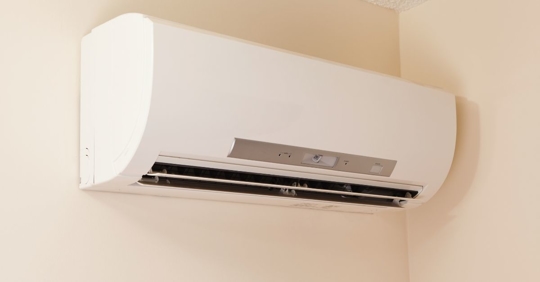
Heat pumps are innovative systems designed to transfer heat instead of generating it from scratch, making them highly energy-efficient compared to traditional heating and cooling options. Using the refrigeration cycle, heat pumps can extract warmth from the outside air during colder months and move it indoors to heat your home. In warmer months, this process reverses: the system draws heat from inside the home and expels it outdoors, effectively acting as an air conditioner. This dual functionality allows a single system to manage year-round comfort without the need for separate heating and cooling units.
One of the greatest advantages of heat pumps is their ability to provide steady, even temperatures throughout your home. Unlike traditional furnaces, which may create hot or cold spots, heat pumps distribute heat or cool air more uniformly. This leads to improved comfort, fewer energy fluctuations, and a quieter, more consistent indoor environment. By using electricity efficiently and moving existing heat rather than generating it, homeowners can achieve substantial energy savings while reducing their environmental footprint.
Understanding Heat Pumps and How They Work
Types of Heat Pumps:
There are several types of heat pumps to choose from, each suited to different home designs, climates, and efficiency goals.
- Air-source heat pumps: These are the most common type, transferring heat between indoor and outdoor air. They are easy to install, versatile, and ideal for moderate climates.
- Ground-source (geothermal) heat pumps: By utilizing stable underground temperatures, geothermal systems provide extremely reliable heating and cooling, regardless of outside weather conditions. These systems often require more space and a more involved installation process but deliver unmatched efficiency over time.
- Ductless mini-splits: These systems allow for individualized climate control in separate rooms without the need for ductwork, making them a great choice for older homes or spaces without existing ducts.
Each system has unique benefits and considerations, making it important to evaluate which heat pump best matches your home’s layout, energy needs, and long-term goals. For instance, geothermal systems may have higher upfront costs but can pay for themselves through decades of reduced utility bills and energy savings.
Energy Efficiency:
Heat pumps are celebrated for their energy efficiency, which can translate into significant long-term savings for homeowners. Their performance is typically measured by two key ratings: SEER (Seasonal Energy Efficiency Ratio) for cooling and HSPF (Heating Seasonal Performance Factor) for heating. Higher ratings indicate better energy performance.
Compared to traditional furnaces or electric heaters, heat pumps often consume less energy while providing the same or superior comfort levels. This efficiency can reduce your monthly utility bills, especially during peak heating or cooling seasons. In addition to cost savings, heat pumps contribute to a cleaner, more sustainable home environment, as they rely primarily on electricity rather than fossil fuels. For homeowners seeking to minimize their carbon footprint while maintaining comfort, heat pumps represent a compelling solution.
Is a Heat Pump Right for Your Home?
Climate Considerations:
The effectiveness of a heat pump can be influenced by your local climate. In warmer regions, heat pumps perform well year-round, efficiently managing both heating and cooling needs. In colder climates, traditional air-source heat pumps can lose some efficiency as temperatures drop. However, advancements in technology, particularly cold-climate heat pumps, allow these systems to perform reliably even in subzero conditions.
Beyond temperature, other climate factors such as humidity and seasonal fluctuations also play a role. Heat pumps can help maintain indoor humidity levels, improving comfort and protecting home interiors from excessive dryness or moisture accumulation. For homes experiencing a mix of hot summers and cold winters, heat pumps offer a balanced, energy-conscious alternative to conventional heating and cooling systems.
Home Infrastructure and Compatibility:
Choosing a heat pump involves more than just assessing climate; your home’s existing infrastructure is equally important. Homes with existing ductwork can typically accommodate air-source or geothermal systems with minimal modifications. For homes without ducts, ductless mini-splits provide an efficient and non-invasive alternative.
Some systems, particularly geothermal heat pumps, require outdoor space for ground loops and specialized equipment. Additionally, installation considerations include the structural integrity of the property and space for system components. Carefully evaluating these factors ensures a smooth installation process and helps homeowners select a heat pump system that integrates seamlessly with their home’s design and operational needs.
Cost and Financial Incentives:
Heat pumps usually involve a higher initial investment than traditional HVAC systems. However, their long-term financial benefits often outweigh upfront costs. By reducing energy consumption, heat pumps can lead to substantial savings on utility bills over time. Furthermore, many areas offer tax credits, rebates, and other financial incentives for homeowners who invest in energy-efficient systems, effectively lowering the barrier to entry.
Considering long-term value, heat pumps are not just an energy-efficient choice—they are also a financially strategic one. Homeowners who prioritize sustainability, comfort, and cost savings can see a favorable return on investment while contributing to environmentally responsible energy use.
Benefits and Drawbacks of Heat Pumps
Environmental Impact:
Heat pumps are recognized for their positive environmental impact. By primarily using electricity and transferring existing heat, they minimize greenhouse gas emissions and reduce reliance on fossil fuels. Unlike conventional heating systems, which burn fuel to produce warmth, heat pumps achieve the same results with a fraction of the environmental cost.
As the electrical grid incorporates more renewable energy sources, the ecological benefits of heat pumps will continue to grow. Homeowners who choose this technology are contributing to a more sustainable future while enjoying the operational efficiency and comfort that heat pumps provide.
Maintenance and Lifespan:
Regular maintenance is essential to keep a heat pump operating efficiently. Typical care includes annual inspections, cleaning or replacing filters, and checking refrigerant levels. Proactive maintenance prevents breakdowns and extends the system’s lifespan, which can reach up to 20 years with proper care.
Compared to traditional HVAC systems, heat pumps generally require fewer repairs over time and offer consistent performance, making them a reliable long-term investment for homeowners who value both efficiency and durability.
Comfort and User Experience:
Heat pumps provide a range of comfort benefits that enhance the living environment. They offer consistent indoor temperatures, quieter operation, and improved air quality thanks to advanced filtration systems. This is particularly valuable for those with allergies or respiratory sensitivities.
Many users report that the even heat distribution and humidity control contribute to a more pleasant indoor climate year-round. These comfort features, combined with energy savings and environmental benefits, make heat pumps an increasingly popular choice for homeowners seeking a comprehensive climate solution.
Installing a Heat Pump
Installation Steps:
Proper installation is critical to ensure optimal performance. The process usually includes:
- Site assessment to determine system size and type
- System selection based on home layout and efficiency goals
- Professional installation and any necessary structural modifications
While installation timelines vary depending on system complexity, most heat pump setups are completed within a few days, minimizing disruption to daily life.
Choosing a Contractor:
Selecting a qualified contractor ensures your heat pump operates efficiently and reliably. Look for professionals with relevant certifications, such as NATE, and seek references or reviews from previous clients. An experienced installer will guide you through system selection, installation, and ongoing maintenance, ensuring the longevity and performance of your investment.
Warranties and Service Agreements:
Understanding warranties and service agreements is essential. Most heat pumps come with 10–15 year warranties covering manufacturing defects and performance issues. Service agreements offer routine maintenance, priority repair access, and expert support to prevent unexpected breakdowns, providing peace of mind and safeguarding your investment over time.
Comparing Heat Pumps to Traditional Systems
Heat pumps offer distinct advantages over conventional HVAC solutions:
- Dual functionality: One system for both heating and cooling
- Energy efficiency: Transfers heat rather than generating it, reducing energy consumption
- Long-term savings: Lower utility bills offset initial installation costs
While upfront costs can be higher, the combination of comfort, efficiency, and environmental benefits often makes heat pumps a smarter choice than traditional heating and cooling methods.
Innovations and Alternatives
Heat pump technology continues to advance, offering even greater efficiency and adaptability:
- Hybrid systems combine heat pumps with traditional heating systems for enhanced performance
- Cold-climate models allow reliable operation in subzero temperatures
- Smart technology enables precise temperature control via smartphones or home automation platforms
Alternative energy solutions, such as solar thermal systems or wind-powered heating, can complement a heat pump setup for homeowners seeking a fully sustainable energy strategy.
If You Are Interested In a Heat Pump, Call Reliable Heating & Air
Switching to a heat pump is a strategic move for homeowners seeking comfort, energy efficiency, and environmental responsibility. Reliable Heating & Air provides expert guidance in selecting the right heat pump, professional installation, and ongoing support to maximize your system's performance and lifespan. By upgrading to this modern technology, homeowners can enjoy a consistent, efficient, and sustainable indoor environment year-round.
Call Reliable Heating & Air now at (984) 733-1948 or send us a message online.